 whatsapp


WELCOME TO ECO HOUSE !WELCOME TO ECO HOUSE !WELCOME TO ECO HOUSE !




News
27/12/25
PVC Window Lamination: From Classic to Bold Designs
Lamination transforms a standard PVC window into a design element that can blend into any architectural or interior style. Let’s explore available options, how to choose the perfect solution, and how to care for laminated surfaces.
Types of Lamination Finishes
- Wood-Effect
- realistic imitation of valuable wood species (oak, ash, wenge);
- reproduces both colour and texture of wood fibres;
- suits eco-style, country, and classic interiors.
- Metal-Effect
- finishes mimicking aluminium, steel, bronze, or gold;
- available in glossy or matte finishes;
- ideal for loft, minimalism, and modern facades.
- Monochrome
- solid, saturated colours (black, white, graphite, burgundy);
- offered in matte or glossy finishes;
- versatile for high‑tech, Scandinavian style, and avant‑garde designs.
- Exotic Textures
- imitations of stone, leather, or concrete;
- unusual textures for bold design projects.
How to Choose Colour and Texture
When selecting, consider:
- Building’s architectural style. For historic buildings — subdued tones and wood textures; for new constructions — bold monochrome solutions.
- Orientation to cardinal directions. Avoid dark shades on south‑facing sides (overheating risk); avoid pastels on north‑facing sides (insufficient light).
- Harmony with finishes. The frame should match the facade, doors, casings, or interior accents.
- Window size. Large openings look best in contrasting colours; small ones — in neutral tones.
- Lighting. Glossy surfaces amplify light; matte surfaces soften it.
Colour Pairing Tips:
- for classic styles — oak, walnut, matte white;
- for modern styles — anthracite, graphite, glossy steel;
- for children’s rooms — bright monochrome frames (yellow, light blue) with matte finish;
- for loft — concrete or black metal imitation.
Durability of Laminated Surfaces
High‑quality films last 20–25 years if conditions are met:
- UV resistance (won’t fade);
- temperature fluctuation resistance (–30 °C to +70 °C);
- mechanical strength (scratch and impact resistance).
Factors Shortening Service Life:
- low‑quality materials (budget films peel off after 3–5 years);
- installation errors (bubbles, peeling);
- aggressive cleaning (abrasives, acids, solvents).
Caring for Laminated Windows
- Daily Cleaning
- soft cloth or sponge;
- warm water with neutral detergent (pH 6–8);
- avoid hard brushes and abrasive powders.
- Removing Tough Stains
- fingerprints — soapy water;
- construction dust — damp cloth with antistatic agent;
- bird droppings, resin — special PVC cleaners (acetone‑free).
- Seasonal Maintenance
- check seals and hardware twice a year;
- lubricate moving parts with silicone oil;
- verify tightness of sash seals.
- Prohibited Actions
- using solvents, gasoline, vinegar;
- cleaning with metal scrapers;
- exposing to high temperatures (hair dryer, heater placed too close).
Key Considerations When Ordering
- Double‑Sided Lamination. Different colours outside and inside (e.g., brick‑effect outside, white inside).
- Partial Lamination. Only visible profile parts (edges, mullions) for accents.
- Sample Testing. Always request colour swatches — screen colours may differ from reality.
- Warranty. Request documents confirming film lifespan and adhesion quality.
Conclusion
PVC window lamination offers:
- endless design possibilities (from natural wood to futuristic shades);
- additional profile protection against wear;
- easy maintenance with proper care.
To ensure long‑lasting satisfaction:
- Choose reputable manufacturers with quality certifications.
- Consider climate conditions and room style.
- Follow care recommendations.
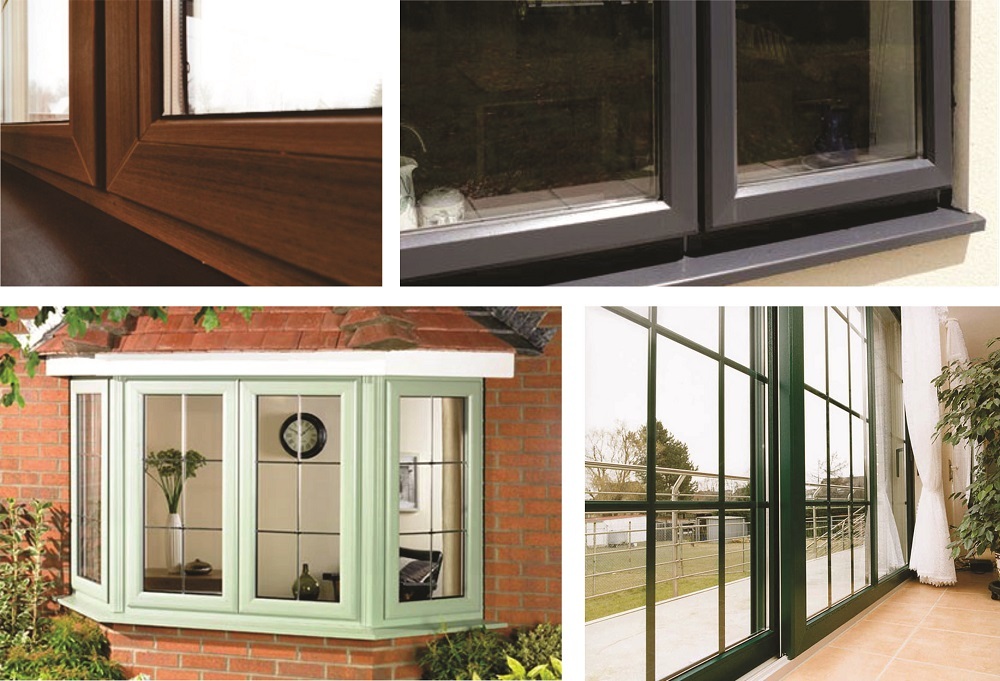
What windows do you like the best?
Which kind of windows would you prefer If you were going to replace the old ones in your house or apartment?
Eco House Joint Stock Company partner of Deceuninck Group | Copyright 2009-2026. All rights reserved.
E-mail: info@ecohouse-eg.com, tel.: +201212288828
Site www.ecohouse-eg.com is for informational purposes only and under no circumstances is not a public offer. For more information on the cost of materials, products and services, please contact the sales offices