
 whatsapp


WELCOME TO ECO HOUSE !WELCOME TO ECO HOUSE !WELCOME TO ECO HOUSE !




News
06/09/26
Invisible Guardian: Role of Seals in PVC Windows
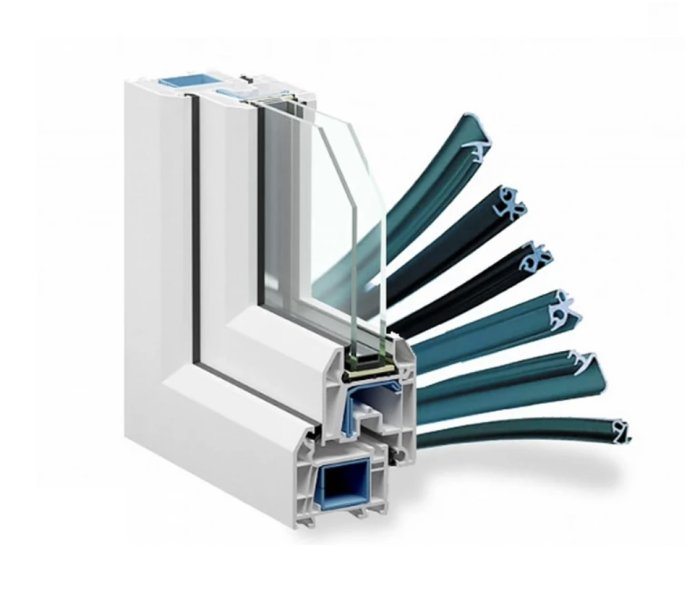
Seals are unnoticeable yet vital components of a PVC window: they ensure airtightness, preventing cold air, dust, and noise from entering the home. Visually, they’re elastic contours placed along the perimeter of the sash and frame; in practice, they act as a reliable barrier between the outdoors and the interior.
Most seals are made from EPDM (ethylene‑propylene rubber) or thermoplastic elastomer: these materials stay flexible in the cold and don’t dry out in the heat. Their shape is designed so that when the sash closes, the contour fits tightly, closing even the smallest gaps. The quality and condition of the seal directly affect how warm and quiet the room will be.
Over time, rubber ages: exposure to UV light, temperature fluctuations, and dirt causes it to lose elasticity, develop cracks, and fit less tightly. That’s why regular maintenance is important: clean the seals from dust every six months and treat them with silicone lubricant — this extends their service life and preserves their sealing properties.
Proper installation is critical: the seal must lie evenly, without twisting or excessive tension, otherwise drafts will appear. If the material is already worn out, it’s best to replace the entire perimeter seal — partial replacement rarely delivers the desired result.
In the end, the seal is a quiet protector of comfort: it doesn’t draw attention, yet it largely determines whether the window will reliably retain heat and block out street noise. Choosing the right seal and taking good care of it makes it a dependable ally in creating a comfortable indoor climate.
What windows do you like the best?
Which kind of windows would you prefer If you were going to replace the old ones in your house or apartment?
Eco House Joint Stock Company partner of Deceuninck Group | Copyright 2009-2026. All rights reserved.
E-mail: info@ecohouse-eg.com, tel.: +201212288828
Site www.ecohouse-eg.com is for informational purposes only and under no circumstances is not a public offer. For more information on the cost of materials, products and services, please contact the sales offices