
 whatsapp


WELCOME TO ECO HOUSE !WELCOME TO ECO HOUSE !WELCOME TO ECO HOUSE !




News
02/03/26
ٍٍSecret of sealed window: polyurethane foam
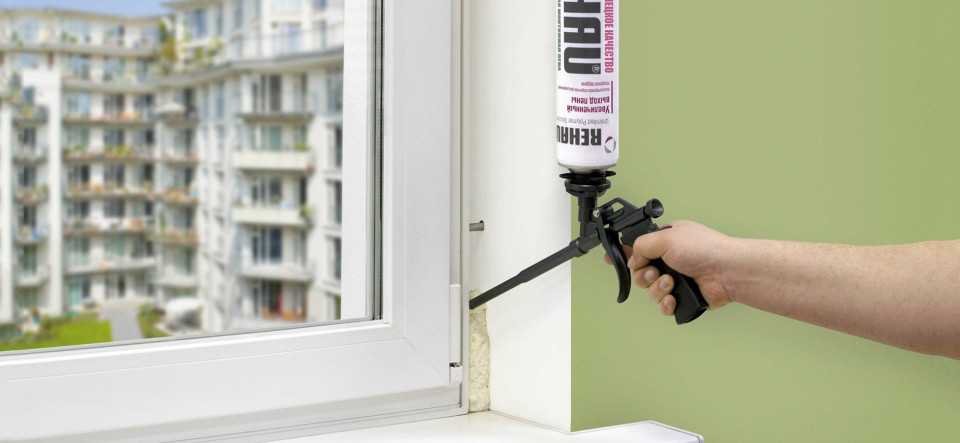
When installing PVC windows, attention is often focused on the profile, glazing unit and hardware — while polyurethane foam stays in the shadows. Yet its role cannot be overstated: this material performs several critical functions that determine the longevity and efficiency of the entire structure.
First and foremost, expanding foam acts as a reliable sealant. By filling the gaps between the window frame and the opening, it creates an airtight barrier that prevents cold air, moisture and street noise from entering. This helps maintain a comfortable indoor climate and reduces the load on the heating system.
Its shock‑absorbing function is equally important. The foam cushions the impact of vibrations and thermal expansions that inevitably occur with temperature fluctuations. This helps prevent frame misalignment and extends the service life of the window.
Expanding foam also serves as a thermal insulator. Its porous structure contains numerous air cells that effectively retain heat. As a result, heat loss through the installation joints is minimised — this is especially crucial in cold climates.
Moreover, the foam secures the window in the opening during the installation phase, providing temporary yet strong fixation until the fasteners are installed. This simplifies the work for installers and helps align the structure precisely.
However, it’s important to remember that the quality of the result directly depends on the correct choice and application of the foam. Specialised winter or summer foam, adherence to proper application techniques, and UV protection after curing are all key conditions for a durable and reliable PVC window installation. Properly used expanding foam becomes the guarantee of comfort, quiet and warmth for many years to come.
What windows do you like the best?
Which kind of windows would you prefer If you were going to replace the old ones in your house or apartment?
Eco House Joint Stock Company partner of Deceuninck Group | Copyright 2009-2026. All rights reserved.
E-mail: [email protected], tel.: +201212288828
Site www.ecohouse-eg.com is for informational purposes only and under no circumstances is not a public offer. For more information on the cost of materials, products and services, please contact the sales offices