
 whatsapp


WELCOME TO ECO HOUSE !WELCOME TO ECO HOUSE !WELCOME TO ECO HOUSE !




News
26/10/26
Triangular PVC Windows:Dynamics of Sharp Angles
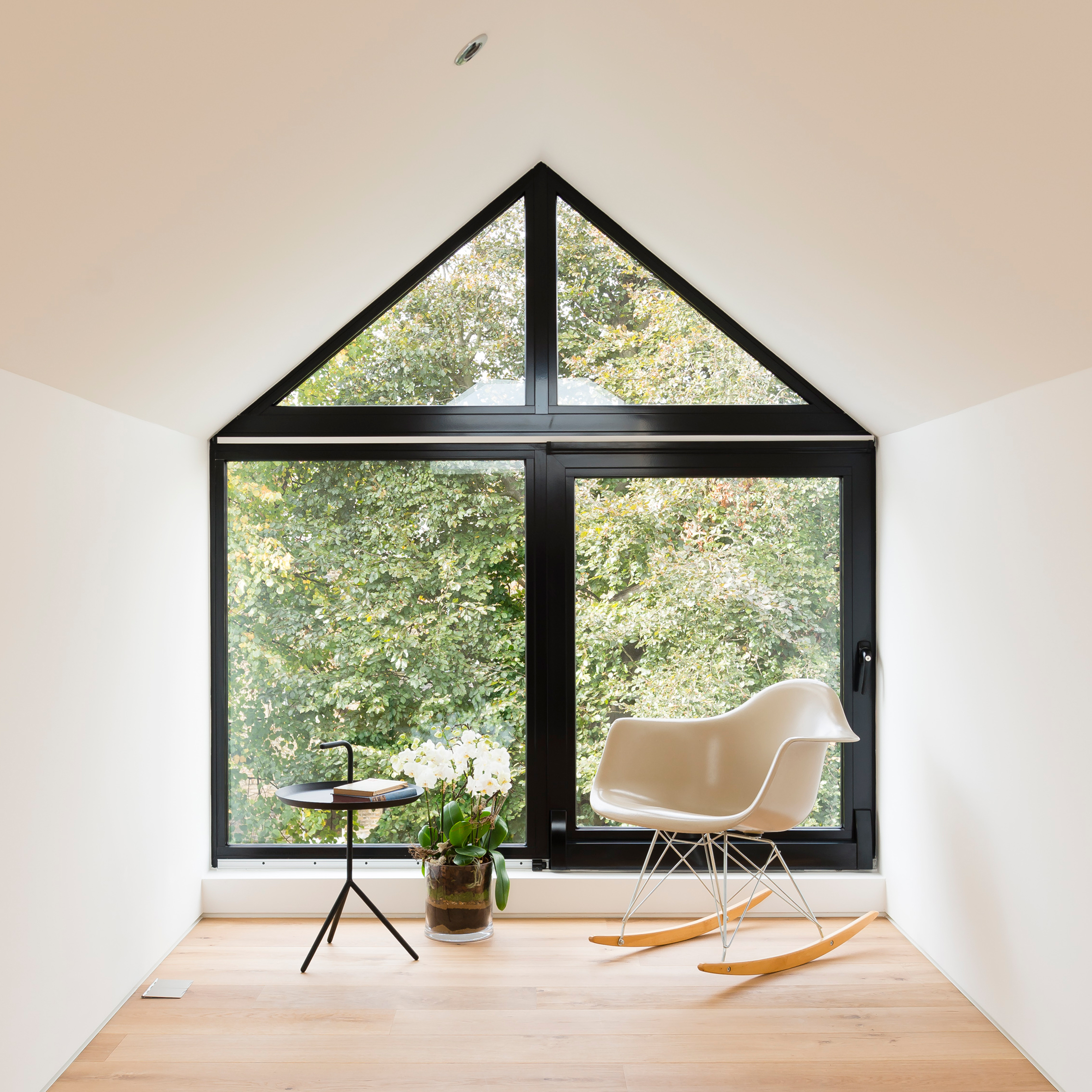
A triangle is an energetic and graphic shape: it instantly adds dynamism to a facade and makes it more memorable. Triangular windows are most often used in attics, on gables, and in houses with sloping or steep roofs, where the roof geometry itself suggests a triangular opening.
Aesthetically, a triangle works differently depending on its orientation. A window with the apex pointing upward creates a sense of aspiration, visually “lifting” the space toward the ridge and emphasizing the room’s height. An inverted triangle (apex down) looks more stable and grounded, adding graphic appeal without excessive drama. An equilateral triangle gives the most symmetrical, balanced look, while an elongated right‑angled triangle offers a more restrained, minimalist feel.
In the interior, a triangular window naturally becomes the focal point of the composition. In an attic bedroom, it frames the view of the sky; in a study or creative studio, it sets the rhythm and energy of the workspace. These windows look especially striking with decorative glazing bars: thin muntins divide the glass into segments, enhancing the geometric pattern and creating a stained‑glass effect. Lamination in dark tones (graphite, anthracite, wenge) emphasizes the sharpness of the lines, while light shades (white, bleached oak) make the shape appear lighter and airier.
Technologically, triangular windows require special attention. Due to the sharp angles, the load on the profile and glazing unit is distributed unevenly, so the structure must be reinforced with steel. The hardware is selected with the angles in mind: often, the working sash is rectangular and placed inside the triangular outline, or there are fixed sections with small opening inserts.
Practical considerations are also important. First, light transmission is minimal in the sharp corners: the apex of the triangle lets in little light, so for proper illumination it’s better to combine a triangular window with adjacent rectangular openings. Second, dressing the opening needs a tailored approach: standard curtains aren’t always suitable, but Roman shades, pleated blinds, or textile arrangements that echo the triangular shape work well. Finally, proportions matter: an overly elongated triangle can look unstable, while a very compact one can get lost on the facade. A base‑to‑height ratio of about 2:1 is usually the most harmonious and balanced.
What windows do you like the best?
Which kind of windows would you prefer If you were going to replace the old ones in your house or apartment?
Eco House Joint Stock Company partner of Deceuninck Group | Copyright 2009-2026. All rights reserved.
E-mail: info@ecohouse-eg.com, tel.: +201212288828
Site www.ecohouse-eg.com is for informational purposes only and under no circumstances is not a public offer. For more information on the cost of materials, products and services, please contact the sales offices