
 whatsapp


WELCOME TO ECO HOUSE !WELCOME TO ECO HOUSE !WELCOME TO ECO HOUSE !




News
15/11/26
Silent Guardian: How Sealant Makes PVC Window Truly Airtight
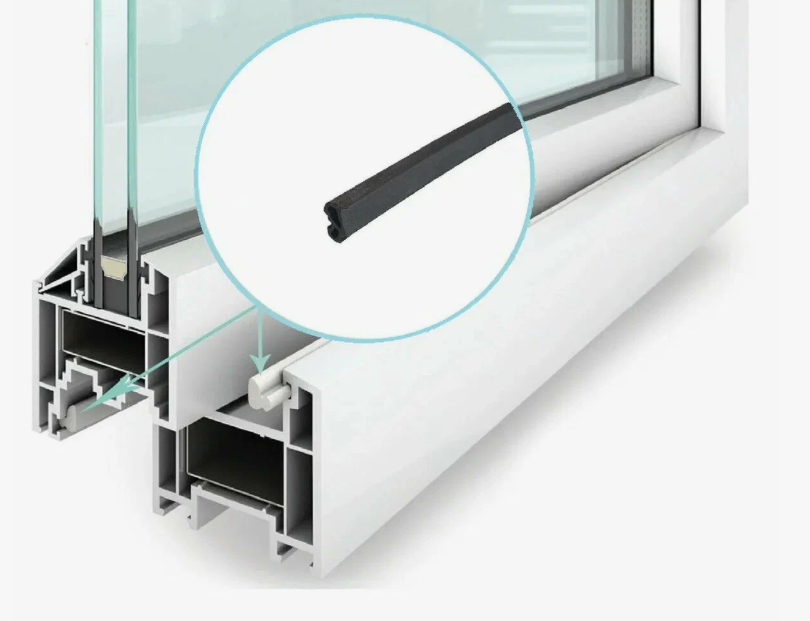
The sealant in a PVC window is an unnoticeable but critically important component. It’s what keeps drafts, street noise, dust, and moisture out of the home, while keeping the warmth inside. Without a high‑quality sealant, even the most expensive profile and glazing unit won’t deliver their full potential: up to 30 % of heat can escape through micro‑gaps, while noise and cold seep into the room.
Modern windows most commonly use sealants made of EPDM (ethylene‑propylene rubber) or silicone. EPDM is valued for its elasticity and resistance to temperature fluctuations: it holds its shape well and doesn’t crack even in severe frosts. Silicone sealants last longer and withstand extreme temperatures, but they’re more expensive. Thermoplastic elastomer (TPE) is less common — it’s cheaper, but ages faster and copes less well with sudden temperature changes.
It’s not just the material grade that matters, but also the sealant profile design. High‑quality windows feature a two‑ or three‑contour system: one contour on the frame, the second on the sash, and the third (if present) boosts airtightness in the rebate area. This layout reliably blocks all possible paths for air and moisture to get through. The cross‑section shape of the sealant also matters: “petal” and “drop” profiles fit more tightly to the surface and better compensate for minor surface irregularities.
Over time, the sealant wears out: it loses elasticity, deforms, and sags in places. Signs of wear include drafts, condensation on the frame, freezing along the sash perimeter, and unusual noises. On average, a sealant lasts 7–10 years, but the lifespan depends on the climate, material quality, and maintenance. To extend its life, clean the sealant from dust twice a year and treat it with silicone lubricant — this preserves elasticity and protects against cracking.
Proper installation is equally important: the sealant must be laid evenly in the groove, without twisting or excessive tension; otherwise, it will fail quickly. When replacing it, it’s best to use the type recommended by the manufacturer: not every sealant is compatible with a given profile system.
In short, the sealant is the “silent guardian” of comfort. It doesn’t draw attention, but it’s exactly what determines whether the window will be truly warm, quiet, and airtight. Choosing the right sealant and maintaining it properly make a PVC window a reliable shield for the home for many years to come.
What windows do you like the best?
Which kind of windows would you prefer If you were going to replace the old ones in your house or apartment?
Eco House Joint Stock Company partner of Deceuninck Group | Copyright 2009-2026. All rights reserved.
E-mail: info@ecohouse-eg.com, tel.: +201212288828
Site www.ecohouse-eg.com is for informational purposes only and under no circumstances is not a public offer. For more information on the cost of materials, products and services, please contact the sales offices