
 whatsapp


WELCOME TO ECO HOUSE !WELCOME TO ECO HOUSE !WELCOME TO ECO HOUSE !




News
15/02/26
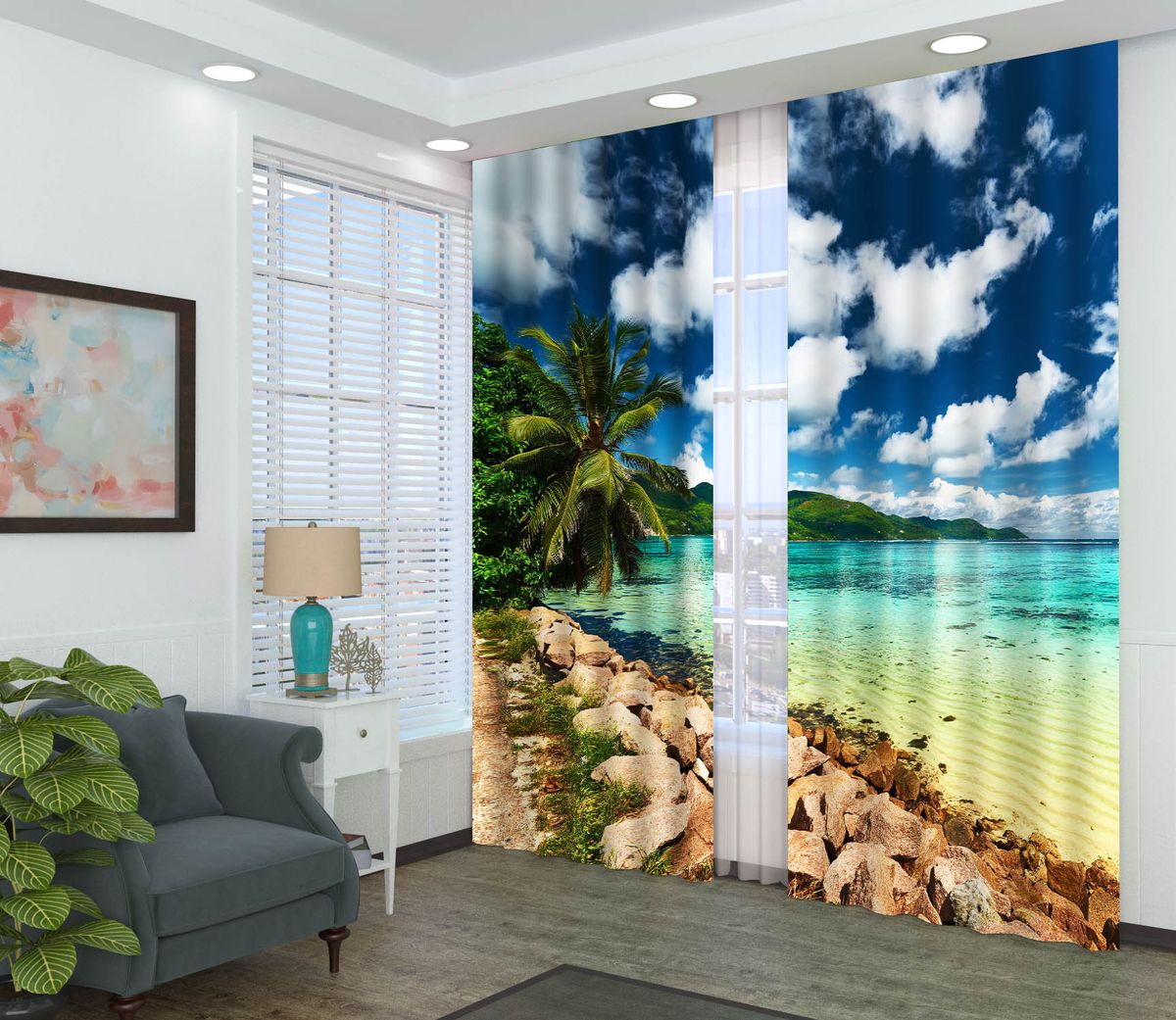
Photo Curtains: When a Window Becomes a Painting
In modern interior design, an unusual solution is increasingly common — photo curtains. These are not just functional elements that cover a window, but genuine works of art: full‑colour photo printing is applied to the textile base, transforming ordinary curtains into a striking focal point of the space.
The Essence and Advantages
The main feature of photo curtains lies in the ability to personalise an interior. You can choose any image: from serene landscapes and abstract compositions to family photos, city panoramas, or fantasy motifs. This solution allows you not merely to decorate a window, but literally to “open a view” to another world — one that truly resonates with you.
Beyond their aesthetic function, photo curtains retain all the practical qualities of ordinary curtains:
they shield against sunlight;
they help zone the space;
they provide blackout (depending on the fabric type);
they protect against ultraviolet rays.
Modern printing technologies guarantee the durability of the design: it does not fade over time and withstands repeated washings. With proper care, photo curtains last 5–7 years without losing brightness or sharpness.
How the Image Affects Space Perception
Choosing the right design is key, as it sets the mood for the entire room. The psychological impact of different subjects varies noticeably:
Landscapes and natural motifs calm the mind, reduce stress levels, and create a sense of spaciousness and freedom.
Geometric and abstract patterns introduce dynamism, stimulate creative thinking, and fit well into contemporary interiors.
Urban scenes add energy and emphasise the urban character of the space.
Flora and fauna depictions bring a touch of romance and remind us of our connection to nature.
Black‑and‑white photographs create an atmosphere of restrained elegance and lend graphic clarity to the interior.
It is important to avoid overly dark or aggressive subjects: they can become tiresome with prolonged exposure. It is better to choose images that evoke positive emotions and harmonise with the overall style of the room.
Harmony with the Interior: Combination Tips
To ensure that photo curtains do not appear as an alien element but blend organically into the space, consider several principles:
Neutral base. If you want photo curtains to be the main accent, opt for calm shades on walls and furniture — white, beige, grey. This way, the print will not “compete” with its surroundings.
Unified colour accents. Select cushions, throws, or other textile details in tones that echo the key colours of the image on the curtains. This creates a cohesive composition.
Minimalist furniture. To avoid overloading the space, pair photo curtains with sleek, simple furniture forms. Clean lines and a lack of excess decoration allow the print to shine.
Natural materials. Wood, stone, linen, or cotton soften the “artificiality” of the printed image, making the interior warmer and more vibrant.
Lighting. Additional illumination — wall lamps, LED strips, or table lamps — highlights the details of the design in the evening, giving the curtains a new dimension.
What to Consider When Choosing
Fabric type. It determines both functionality and visual perception:
blackout — for complete light blockage (ideal for bedrooms);
tulle or voile — for light shading and a semi‑transparent effect;
sateen or gabardine — a versatile option with good colour reproduction and moderate density.
Window orientation.
On the south side, cool tones (blue, green) are appropriate: they visually cool the space.
On the north side, warm shades (beige, golden) compensate for the lack of sunlight.
Design scale.
In small rooms, moderate prints without fine details work best: they do not “eat up” the space.
In spacious areas, panoramic images or large motifs look impressive.
Print quality. For a sharp, vibrant design, you need a file with a resolution of at least 150–200 dpi. To assess colour reproduction under real conditions, order a fabric swatch with a fragment of the image.
Mounting method. Use curtain rods with minimal contact with the fabric (rings, eyelets) to avoid damaging the design. Complex decorative elements (e.g., voluminous tiebacks) can overshadow the uniqueness of the print — it is better to opt for sleek solutions.
Where Photo Curtains Are Especially Appropriate
Living room. Here, photo curtains can become the “signature” of the home: a panoramic view of the sea, abstract art, or a custom print can turn a window into the centrepiece of the interior.
Bedroom. Calm, soothing motifs — a moonlit landscape, a forest, fog over a river — promote relaxation and healthy sleep.
Children’s room. Thematic images — cartoon characters, space, jungles — add playfulness and make the room unique.
Study. Geometric patterns, black‑and‑white photos, or minimalist graphics underscore a business‑like atmosphere without distracting from work.
Cafés and hotels. Unique images shape a memorable style for the establishment, creating in guests a sense of immersion in a special environment.
Care and Maintenance
To ensure that photo curtains serve for a long time and retain their original appearance, follow simple rules:
Washing. Only in delicate mode at temperatures not exceeding 30–40 °C, without bleach.
Ironing. At low temperature through a cotton cloth, avoiding direct contact of the iron with the print.
Drying. In an unfolded state, away from direct sunlight.
Storage. If curtains are removed for the season, fold them carefully without creasing the design.
Conclusion
Photo curtains offer the opportunity to transform an ordinary window into an artistic canvas that reflects the owner’s personality. Their strength lies in limitless design options and the ability to change the atmosphere of a room with a single movement of fabric. The key is to maintain balance: the print should harmonise with the overall interior style, not compete with it. With a thoughtful approach, photo curtains will become not just a decoration, but the semantic centrepiece of the space — one that will delight the eye for years to come.
What windows do you like the best?
Which kind of windows would you prefer If you were going to replace the old ones in your house or apartment?
Eco House Joint Stock Company partner of Deceuninck Group | Copyright 2009-2026. All rights reserved.
E-mail: [email protected], tel.: +201212288828
Site www.ecohouse-eg.com is for informational purposes only and under no circumstances is not a public offer. For more information on the cost of materials, products and services, please contact the sales offices