 whatsapp


WELCOME TO ECO HOUSE !WELCOME TO ECO HOUSE !WELCOME TO ECO HOUSE !




News
19/11/26
Beige Neutral that matches any style
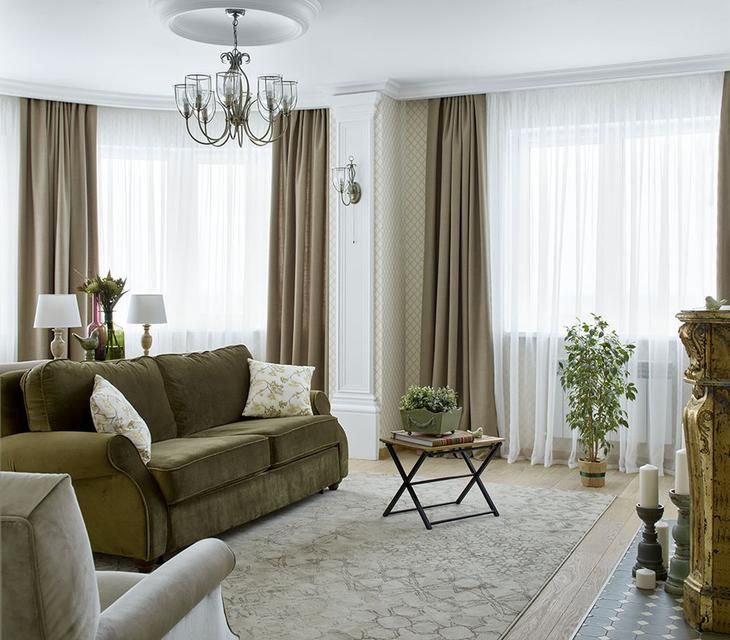
Beige has been predicted to die for twenty years now, yet it remains the leader among "safe" colors. And honestly — deservedly so. Sand, cappuccino, cream, latte — every shade of beige offers what city apartments often lack: a feeling of warmth and quiet. A PVC window dressed in beige textiles stops being "plastic" and becomes part of a cozy story.
Beige is a master of backgrounds. It never steals the spotlight, yet it noticeably changes the mood of a room: white walls look softer, grey ones warmer, and wooden furniture more expressive. Morning light passing through a sand-colored curtain takes on a golden tint — a free filter for your home. In the evening, thick beige curtains warm the eye almost like a blanket.
A practical bonus: beige is the most forgiving of neutrals. Dust and minor stains are less visible on it than on white, and it doesn't create the heavy atmosphere of dark colors. It combines easily: with terracotta for a Mediterranean feel, with greenery for an eco-interior, with chocolate and gold for classic style, with grey for modern minimalism.
The main risk is "beige on beige," when the room melts into one formless blob. The cure is contrast: dark hardware, a black curtain rod, a saturated pillow, or a bold painting restore the composition's clarity.
Another nuance is the undertone temperature. In rooms with north-facing windows, go for warm beige with a pinkish or orangey undertone — it compensates for the cold light. For south-facing rooms flooded with sun, a cooler greige works better, balancing the abundance of light.
Beige isn't the absence of taste — it's its mature form: a color that works quietly for comfort, around the clock.
What windows do you like the best?
Which kind of windows would you prefer If you were going to replace the old ones in your house or apartment?
Eco House Joint Stock Company partner of Deceuninck Group | Copyright 2009-2026. All rights reserved.
E-mail: info@ecohouse-eg.com, tel.: +201212288828
Site www.ecohouse-eg.com is for informational purposes only and under no circumstances is not a public offer. For more information on the cost of materials, products and services, please contact the sales offices