
News
13/11/26
Heart of PVC Window: Why Profile Matters Most
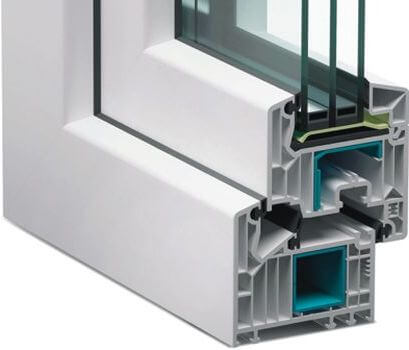
A PVC window isn’t just glass in a frame — it’s a complex engineering system, and the profile plays the leading role. It determines the structure’s strength, thermal insulation, noise protection, and service life. While the glazing unit is responsible for light and visibility, the profile ensures reliability and comfort.
The profile’s core is polyvinyl chloride reinforced with a steel insert inside the chambers. This reinforcing element prevents the frame from deforming under load and due to temperature fluctuations. The number of chambers directly affects thermal performance: a three‑chamber profile suits moderate climates, while a five‑ or six‑chamber one is better for colder regions. The more chambers there are, and the better the air gaps are designed, the more effectively the window retains heat.
Another key parameter is the mounting depth (profile width). The standard 58–60 mm is suitable for apartments in warm climates, but for energy‑efficient homes and northern areas, 70–82 mm is preferable. This wider frame allows for a thicker glazing unit and provides better protection against cold and street noise.
Structural details are equally important. Seals around the perimeter of the sash and frame ensure airtightness: a high‑quality two‑ or three‑contour seal blocks drafts and moisture. The glazing bead holds the glass unit in place and must be dense and durable. The rebate (the step in the frame) helps position the unit correctly and distribute the load evenly.
The profile also defines the window’s appearance. Lamination that mimics wood, stone, or metal, colour coatings, and non‑standard shapes (arched, trapezoidal) allow PVC windows to fit into any style — from classic to high‑tech. However, it’s important to remember that even the most attractive lamination won’t help if the profile is made from low‑quality raw materials or produced with process violations.
Finally, the profile’s longevity depends on the PVC formulation and stabilisers: modern lead‑free formulas with enhanced UV resistance can last 40–50 years. This means choosing a profile isn’t about “cheaper now” — it’s about comfort and savings on heating costs in the future.
In short, the profile is the foundation that supports everything: warmth, quiet, aesthetics, and a long service life. A well‑chosen profile makes a PVC window a truly effective solution for any home.
uPVC Windows and Doors in Egypt. Any color of turn, tilt and turn, tilt sliding, sliding, parallel sliding system, arched non standard PVC windows. Mosquito nets, roller and lower shutter, jalousie in double glass or triple glazing by Super Spacer technology. Painted and bend uPVC profile, stained glass. Painting and bending PVC profile WINSA Carina, Vela. Maintenance and Repairing
Eco House Joint Stock Company partner of Deceuninck Group | Copyright 2009-2026. All rights reserved.
E-mail: info@ecohouse-eg.com, tel.: +201212288828
Site www.ecohouse-eg.com is for informational purposes only and under no circumstances is not a public offer. For more information on the cost of materials, products and services, please contact the sales offices
