
News
17/10/26
Jalousie: Strict Geometry and Flexible Protection for PVC Windows
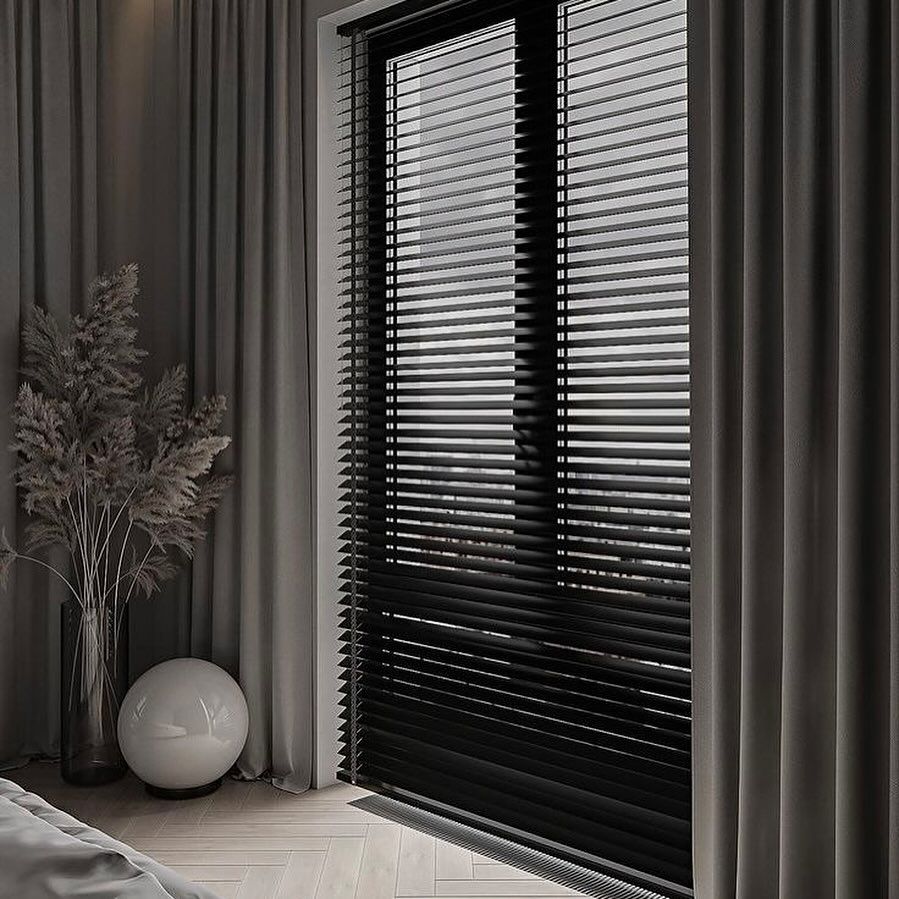
Blinds are all about clean lines and full control over light—for sleek PVC windows, this decor becomes a logical extension of their strict aesthetic. They don’t just dress up the window opening; they make it more functional, whether it’s in the living room, kitchen, or children’s room.
The main advantage of blinds is the precise control of lighting. By tilting the slats, you can gently diffuse sunlight or completely block it out. At the same time, the design is space‑saving: the assembly folds or rolls up compactly, so it doesn’t interfere with opening the sashes or using the windowsill.
For PVC windows, cassette horizontal blinds work best: they mount directly onto the frame, the slats run along guides, and fit snugly against the glass—this eliminates gaps where light could sneak through. Choose materials based on the room: aluminum blinds are practical and low‑maintenance (perfect for the kitchen), while wooden or fabric ones add warmth and coziness (great for bedrooms and living rooms).
The color palette can be understated (white, gray, beige) or accentuated to match furniture or textiles. A simple pattern like stripes or geometric shapes works well, but it’s best to avoid busy, colorful prints—they clash with the clean geometry of the plastic window.
Blinds fit naturally into minimalist, high‑tech, loft, and contemporary styles. They emphasize the straight lines of the PVC profile, adding a sense of order and thoughtfulness to the interior—without any unnecessary decoration.
uPVC Windows and Doors in Egypt. Any color of turn, tilt and turn, tilt sliding, sliding, parallel sliding system, arched non standard PVC windows. Mosquito nets, roller and lower shutter, jalousie in double glass or triple glazing by Super Spacer technology. Painted and bend uPVC profile, stained glass. Painting and bending PVC profile WINSA Carina, Vela. Maintenance and Repairing
Eco House Joint Stock Company partner of Deceuninck Group | Copyright 2009-2026. All rights reserved.
E-mail: [email protected], tel.: +201212288828
Site www.ecohouse-eg.com is for informational purposes only and under no circumstances is not a public offer. For more information on the cost of materials, products and services, please contact the sales offices
