
News
03/10/26
Behind the Scenes: How PVC Windows Are Made
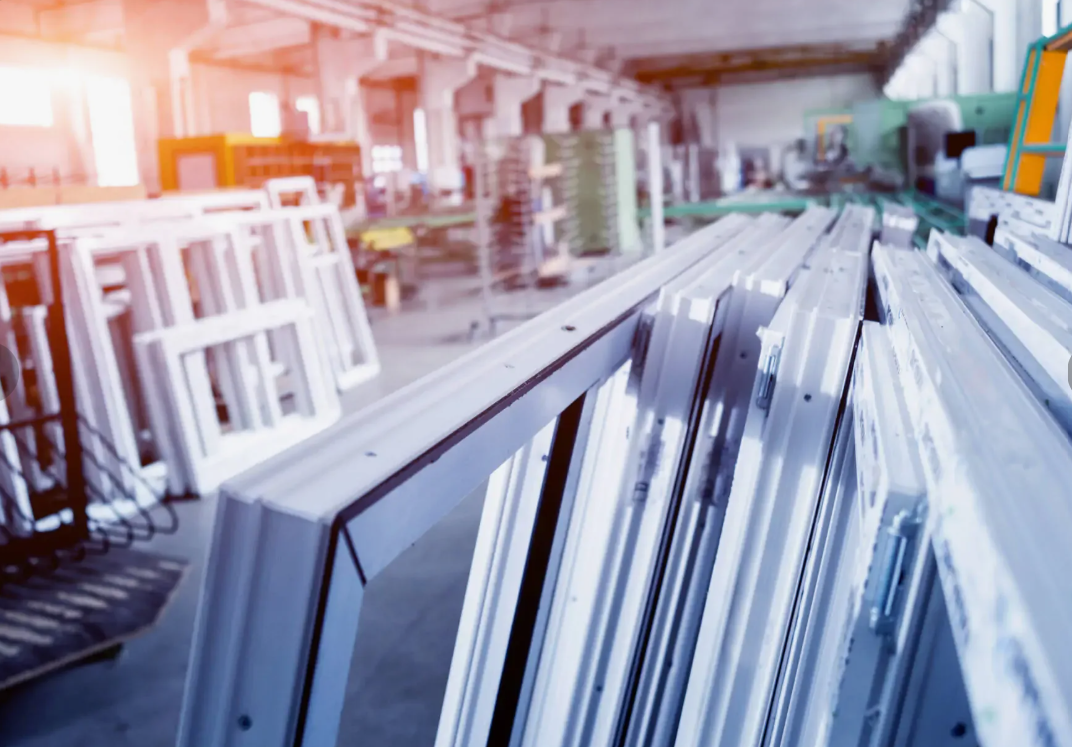
Manufacturing PVC windows is a sequence of precise technological steps where every detail matters — from the plastic composition to the final assembly.
It all starts with the profile. It’s produced using the extrusion method: the PVC compound is heated and forced through a shaping die, creating a long blank with the required cross‑section. A steel insert is placed inside right away — it adds rigidity to the profile and protects it from deformation. The finished profile is cut to size and milled for technical holes for hardware and drainage.
At the same time, the insulating glass units are being prepared. The glass panes are cut, cleaned, and joined with a spacer bar; a desiccant is poured inside the bar to prevent condensation. Sealing is done in two stages: first, a primary sealant is applied, then a secondary one, to ensure a strong, moisture‑resistant joint.
During the assembly stage, the sashes and frames are connected with corner fasteners, and seals and hardware are installed. It’s crucial that all elements fit tightly — this determines the window’s airtightness. After assembly, the geometry, seal tightness, and mechanism operation are checked.
Accessories are manufactured separately: window sills, flashings, and reveals. They’re also adjusted to the project and tested for compliance with standards.
Final inspection is a mandatory step: each window is checked for defects, proper sash operation, and compliance with the declared specifications. Only after this is the product packaged and shipped to customers. This is how raw materials turn into a reliable, energy‑efficient structure that will protect the home from cold and noise for many years.
uPVC Windows and Doors in Egypt. Any color of turn, tilt and turn, tilt sliding, sliding, parallel sliding system, arched non standard PVC windows. Mosquito nets, roller and lower shutter, jalousie in double glass or triple glazing by Super Spacer technology. Painted and bend uPVC profile, stained glass. Painting and bending PVC profile WINSA Carina, Vela. Maintenance and Repairing
Eco House Joint Stock Company partner of Deceuninck Group | Copyright 2009-2026. All rights reserved.
E-mail: info@ecohouse-eg.com, tel.: +201212288828
Site www.ecohouse-eg.com is for informational purposes only and under no circumstances is not a public offer. For more information on the cost of materials, products and services, please contact the sales offices
