
News
28/09/26
Restrained Harmony: Decorating PVC Windows in Japandi Style
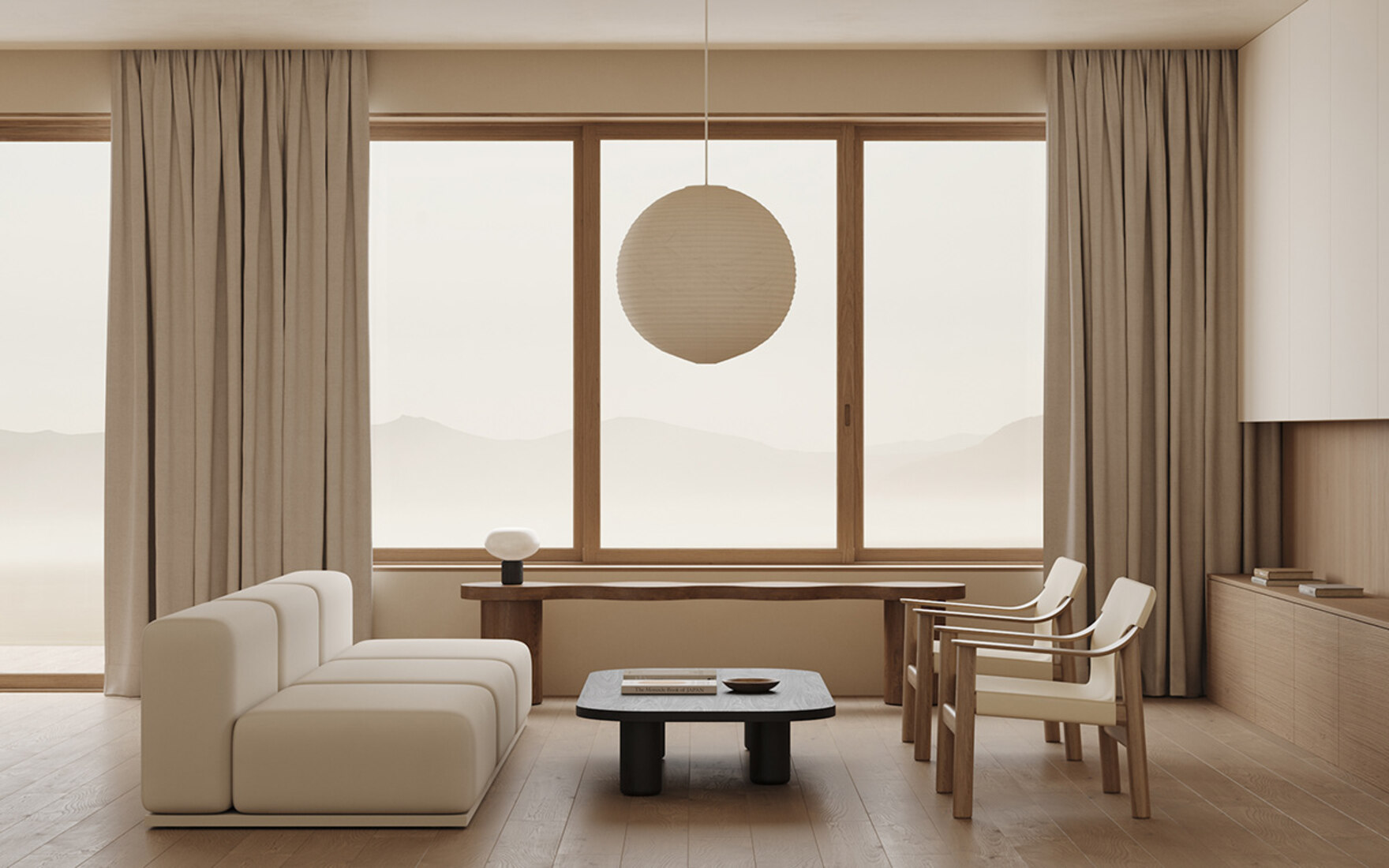
Japandi is a fusion of Scandinavian coziness and Japanese minimalism, where the quietness of forms, the tactile quality of materials, and a calm color palette are key. Window decor in this style should be functional and almost unnoticeable, yet still create a sense of warmth and balance.
Start with the frame: the best choice is a PVC profile that mimics light wood (oak, ash, pine) or comes in warm neutral tones (milky, ivory, warm grey). Slim profiles without excessive decoration work well — they don’t break up the light and support a unified look for the space. If you want a graphic touch, add thin muntins arranged in a simple grid — this is a subtle nod to Japanese shoji screens.
Textiles should be natural and textured: linen, cotton, woven fabric, or materials with a barely noticeable structure. Straight curtains without voluminous pleats or Japanese panel curtains on tracks are a good fit — they glide smoothly and emphasize clean geometry. A practical option is roller shades made of natural fabric or wooden blinds with thin slats: they softly diffuse light and add an organic feel.
Stick to natural, muted colors: sand, beige, rice‑paper hue, dusty olive, warm taupe. You can introduce accents sparingly: terracotta, deep green, or anthracite — for example, in tiebacks or trim.
Hardware should be understated: matte metal curtain rods, wooden tiebacks, and simple fastenings without shine. To enhance the cozy effect, play with texture contrasts: a smooth profile, slightly textured fabric, and a warm wooden detail create tactile depth without extra ornamentation.
The essence of Japandi is calm composure: window decor shouldn’t compete with the space but should complete it naturally. That way, the interior will feel truly harmonious and soothing.
uPVC Windows and Doors in Egypt. Any color of turn, tilt and turn, tilt sliding, sliding, parallel sliding system, arched non standard PVC windows. Mosquito nets, roller and lower shutter, jalousie in double glass or triple glazing by Super Spacer technology. Painted and bend uPVC profile, stained glass. Painting and bending PVC profile WINSA Carina, Vela. Maintenance and Repairing
Eco House Joint Stock Company partner of Deceuninck Group | Copyright 2009-2026. All rights reserved.
E-mail: info@ecohouse-eg.com, tel.: +201212288828
Site www.ecohouse-eg.com is for informational purposes only and under no circumstances is not a public offer. For more information on the cost of materials, products and services, please contact the sales offices
