
News
23/09/26
New Elegance: Decorating PVC Windows in Neoclassical Style
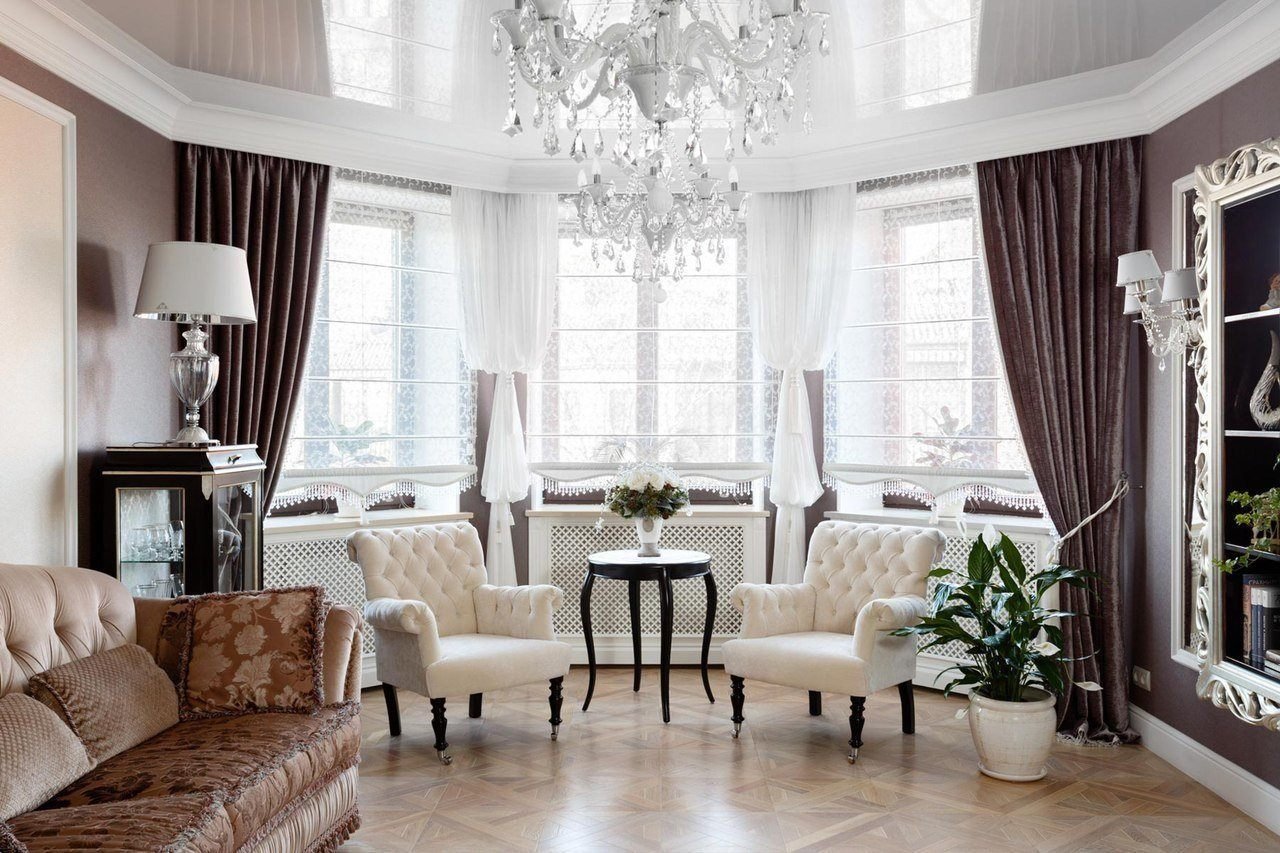
Neoclassical style strikes a balance between noble classicism and modern restraint, so window decor should be expressive yet uncluttered.
Start with the frame: lamination of the PVC profile to mimic natural wood works well, as do calm, dignified shades like ivory, warm white, or light grey. To evoke classic geometry, add muntins or false mullions — thin lines with a subtle pattern that support the traditional look without making it heavy.
Choose textiles made from high‑quality fabrics with refined textures: linen, jacquard, matte velvet, or dense silk. Straight drapes with soft folds are ideal, complemented by a simple valance or a decorative tieback. Opt for understated patterns: a fine stripe, damask, or a barely noticeable monogram.
Curtain rods are an important accent: pick models with light grooving, patina, or matte metal detailing (brass, antique gold, bronze). They should look prestigious but restrained.
Practical options include Roman shades made of thick fabric or semi‑transparent roller blinds in neutral tones — they don’t clash with the style’s aesthetic.
Stick to a calm color palette: milky, creamy, pearl, dusty pink, or beige‑grey. Use accent colors (deep blue, emerald, terracotta) sparingly — for example, in tiebacks or the border of the curtains.
The key rule of neoclassicism is moderation: let the window decor highlight the interior’s grace without stealing the spotlight. This way, the space will feel harmonious and truly elegant.
uPVC Windows and Doors in Egypt. Any color of turn, tilt and turn, tilt sliding, sliding, parallel sliding system, arched non standard PVC windows. Mosquito nets, roller and lower shutter, jalousie in double glass or triple glazing by Super Spacer technology. Painted and bend uPVC profile, stained glass. Painting and bending PVC profile WINSA Carina, Vela. Maintenance and Repairing
Eco House Joint Stock Company partner of Deceuninck Group | Copyright 2009-2026. All rights reserved.
E-mail: info@ecohouse-eg.com, tel.: +201212288828
Site www.ecohouse-eg.com is for informational purposes only and under no circumstances is not a public offer. For more information on the cost of materials, products and services, please contact the sales offices
