
News
08/09/26
Trap of Low Price: What Dangers Hide in Cheap PVC Windows
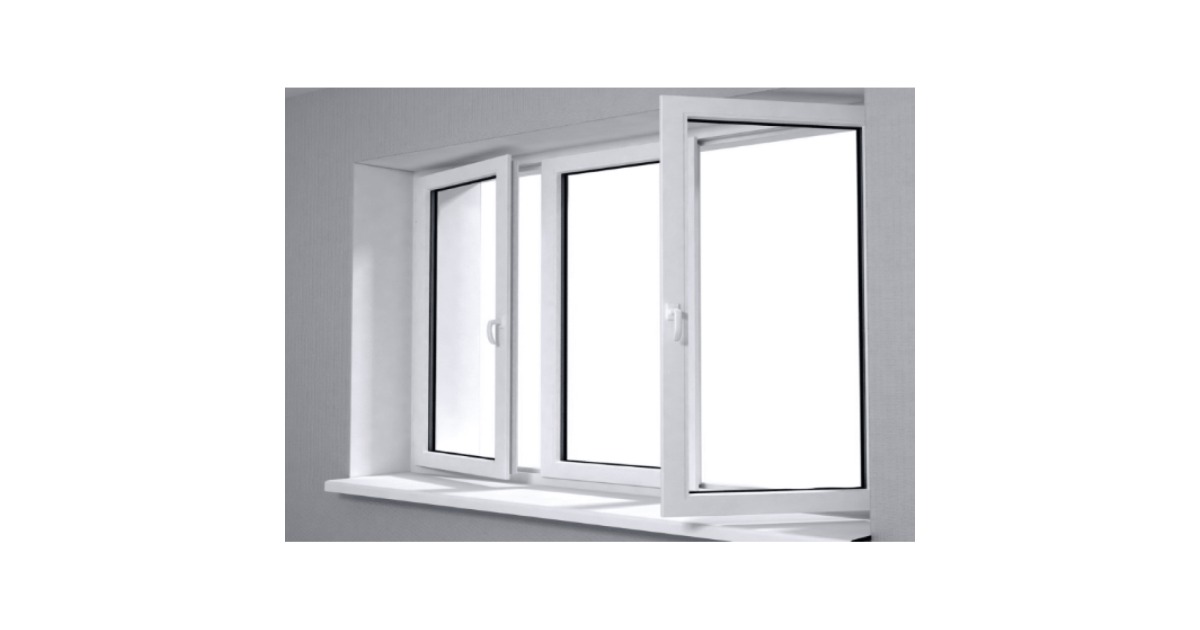
Buying cheap PVC windows seems like a good deal, but this kind of saving often leads to serious problems. The main issue with budget models is low‑quality materials: thin profiles and weak reinforcement can’t withstand temperature fluctuations, so the frames get deformed and the sashes sag. Within just a couple of years, the window may stop closing properly, letting in drafts and causing noticeable heat loss.
The hardware is just as vulnerable: cheap hinges and locks quickly become loose, handles break, and mechanisms jam. The sealant in such windows doesn’t last long either — it cracks and loses elasticity, which breaks the seal. The result is street noise, condensation on the glass, and even ice build‑up in cold weather. Constant dampness can lead to mould appearing on the window reveals and walls.
Problems are often made worse by unprofessional installation: careless installers cut corners on fasteners and joints, use low‑grade foam, and ignore proper techniques. As a result, the window barely holds in place, and all the benefits of plastic glazing disappear.
Lastly, cheap windows lose their appearance faster: the profile turns yellow, develops micro‑cracks, and gets stained. In the long run, replacing such a window will cost more than buying a high‑quality model in the first place. That’s why, when choosing PVC windows, it’s better to focus not on the lowest price, but on the reliability and durability of the design.
uPVC Windows and Doors in Egypt. Any color of turn, tilt and turn, tilt sliding, sliding, parallel sliding system, arched non standard PVC windows. Mosquito nets, roller and lower shutter, jalousie in double glass or triple glazing by Super Spacer technology. Painted and bend uPVC profile, stained glass. Painting and bending PVC profile WINSA Carina, Vela. Maintenance and Repairing
Eco House Joint Stock Company partner of Deceuninck Group | Copyright 2009-2026. All rights reserved.
E-mail: info@ecohouse-eg.com, tel.: +201212288828
Site www.ecohouse-eg.com is for informational purposes only and under no circumstances is not a public offer. For more information on the cost of materials, products and services, please contact the sales offices
