
News
10/08/26
Light and dryness: choosing PVC window for your bathroom
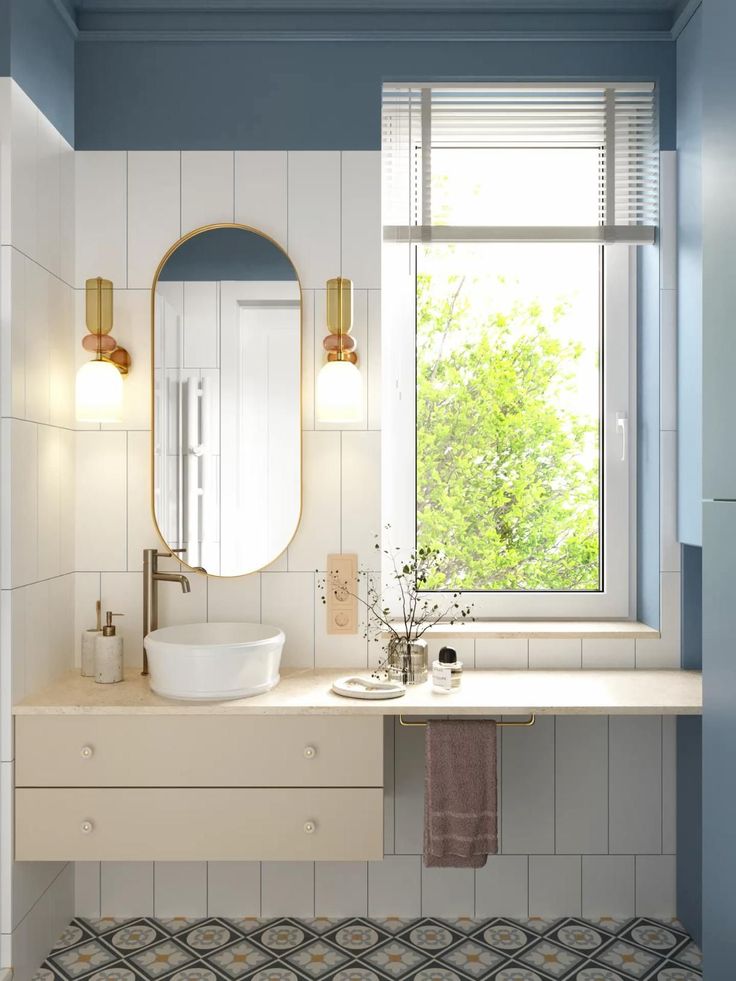
The bathroom is a special space: it’s humid, warm, and the air is full of steam, while temperature swings happen every time someone turns on the shower. In these conditions, a regular window quickly gives in — wood swells, metal rusts. But a PVC profile holds up well: it isn’t afraid of moisture, doesn’t rot, and doesn’t deform.
The main advantage of a PVC window in the bathroom is its practicality. The smooth surface is easy to clean from droplets and build‑up, doesn’t absorb water, and doesn’t darken over time. A double‑glazed unit reduces the risk of condensation: thanks to the air layer inside, the glass stays slightly warmer, so moisture is less likely to settle on the surface.
Ventilation is just as important. Even with a good extractor fan, the window helps quickly remove excess moisture after bathing or showering. The tilt‑and‑turn mechanism lets you ventilate the room without creating drafts, while an intake valve provides a flow of fresh air even when the sash is closed.
Privacy matters in a bathroom too. Frosted or textured glass, stained‑glass panels, or glazing units with partial frosting are a great solution: they let light in while hiding what’s going on inside. At the same time, you can match the window’s design to the interior — lamination that looks like wood or stone, or in calm neutral tones, will make the window fit the space perfectly.
A PVC window in the bathroom is a blend of reliability, convenience, and style. It withstands challenging conditions, helps fight dampness, and adds light and coziness to the room.
uPVC Windows and Doors in Egypt. Any color of turn, tilt and turn, tilt sliding, sliding, parallel sliding system, arched non standard PVC windows. Mosquito nets, roller and lower shutter, jalousie in double glass or triple glazing by Super Spacer technology. Painted and bend uPVC profile, stained glass. Painting and bending PVC profile WINSA Carina, Vela. Maintenance and Repairing
Eco House Joint Stock Company partner of Deceuninck Group | Copyright 2009-2026. All rights reserved.
E-mail: info@ecohouse-eg.com, tel.: +201212288828
Site www.ecohouse-eg.com is for informational purposes only and under no circumstances is not a public offer. For more information on the cost of materials, products and services, please contact the sales offices
