
News
03/08/26
Frosted PVC Windows: Comfort and Privacy
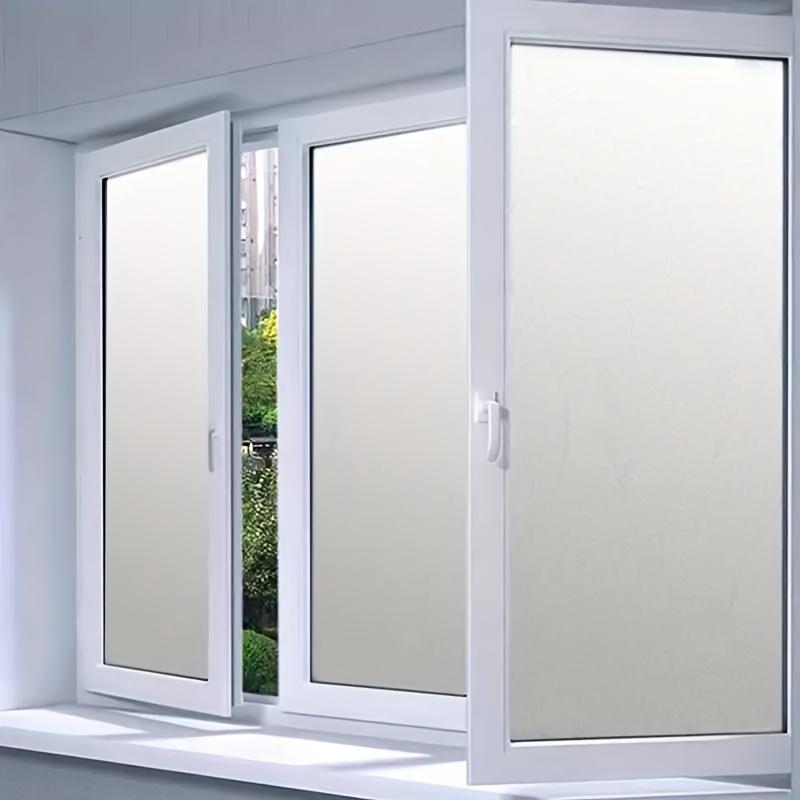
Frosted PVC windows strike a balance between light and privacy: they let in plenty of daylight while preventing anyone from seeing inside the room. This effect creates a special atmosphere — soft, intimate, and conducive to relaxation. Thanks to light diffusion, the room doesn’t have harsh shadows or blinding glare, and the space feels calmer and more harmonious.
There are several ways to give glass a frosted finish: sandblasting, chemical etching, or applying a special film. Each method has its own features: sandblasting and etching produce a truly frosted surface that’s pleasant to the touch, while film is a practical and affordable option that also boosts safety — if the glass breaks, the shards stay held by the adhesive layer. Within a glazing unit, frosted glass pairs well with energy‑saving and noise‑reducing technologies: the PVC profile and sealed chambers retain heat and muffle street noise without compromising comfort.
Frosted windows are most commonly chosen for bathrooms, toilets, walk‑in closets, home offices, and ground‑floor rooms — anywhere privacy matters but natural light is still desired. Design doesn’t suffer either: frosted glass isn’t limited to classic white — it comes in colours and with varying levels of transparency, and the profile can be laminated to look like wood or match any facade colour.
Installing such windows is no more complex than standard ones, but it does require care — especially with decorative options featuring patterns or multi‑layer structures. In the end, frosted PVC windows become more than just a functional element: they’re a subtle detail that makes the interior quieter, cozier, and a little more mysterious.
uPVC Windows and Doors in Egypt. Any color of turn, tilt and turn, tilt sliding, sliding, parallel sliding system, arched non standard PVC windows. Mosquito nets, roller and lower shutter, jalousie in double glass or triple glazing by Super Spacer technology. Painted and bend uPVC profile, stained glass. Painting and bending PVC profile WINSA Carina, Vela. Maintenance and Repairing
Eco House Joint Stock Company partner of Deceuninck Group | Copyright 2009-2026. All rights reserved.
E-mail: info@ecohouse-eg.com, tel.: +201212288828
Site www.ecohouse-eg.com is for informational purposes only and under no circumstances is not a public offer. For more information on the cost of materials, products and services, please contact the sales offices
