
News
18/06/26
Interior plastic windows: light, style and new possibilities
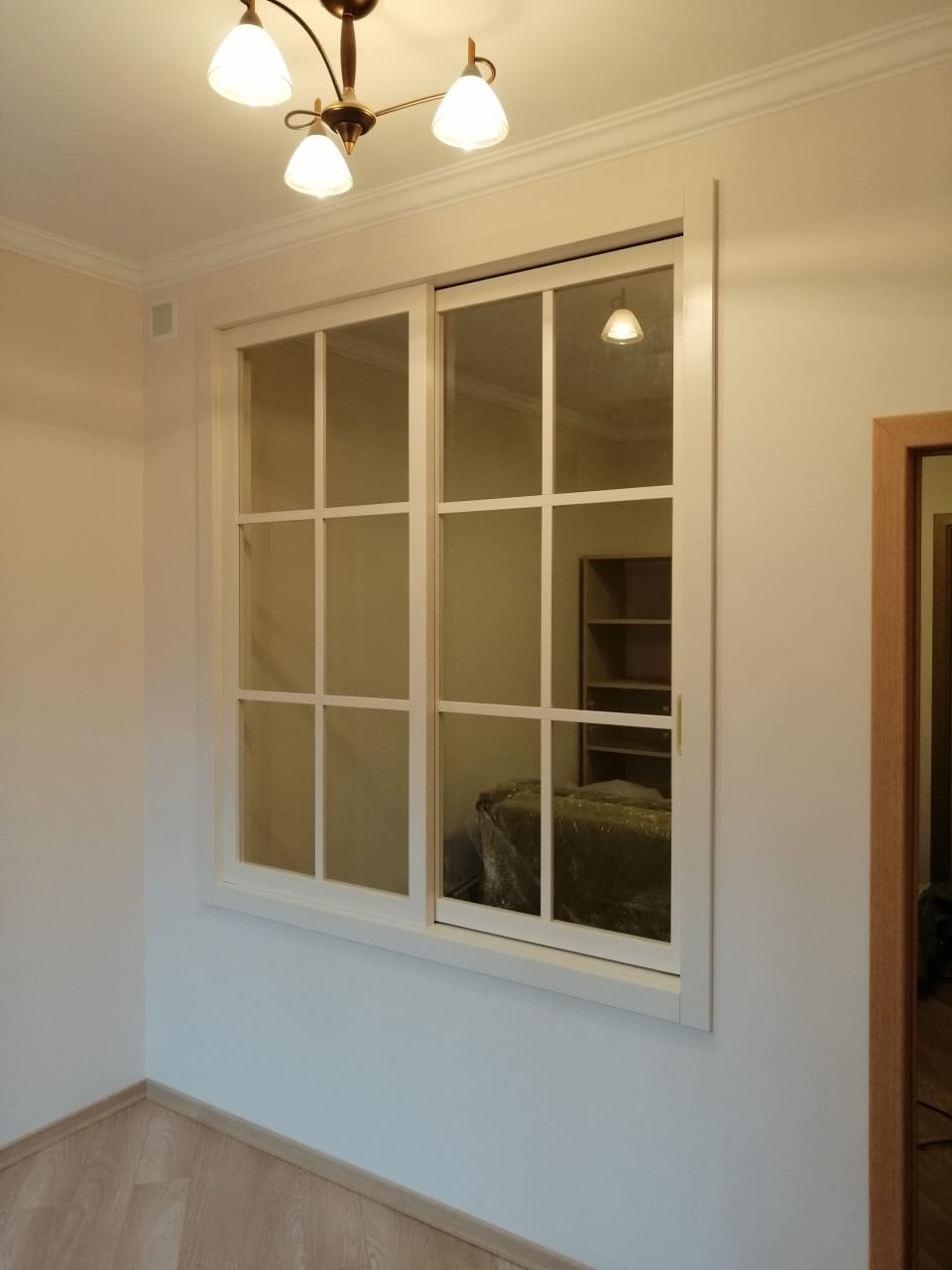
Interior PVC windows are an unconventional yet practical solution for modern interiors. They don’t replace regular doors but complement the space: they let light through, visually expand the room, and still maintain zoning. Such windows are especially useful in apartments with limited natural light, dark corridors, or adjoining rooms.
The main advantage of PVC windows inside a home is their excellent light transmittance. Unlike solid partitions, they allow sunlight to reach adjacent spaces. For instance, installing a window between the kitchen and the living room will make both areas brighter, while a window between the bathroom and the corridor can eliminate the need for artificial lighting during the day.
Sound insulation is another significant benefit. The multi‑chamber profile and airtight double‑glazed units reduce noise transfer between rooms — this is especially valuable for bedrooms or home offices. You can choose either completely sealed units or models with a tilt‑and‑turn mechanism for ventilation.
The design of PVC windows can be easily adapted to any interior. A white profile is a classic solution that doesn’t draw too much attention. Laminated options can imitate wood or metal, fitting styles from loft to Scandinavian. You may also add decorative elements: Georgian bars for a classic look or frosted film for privacy.
These windows are also easy to maintain: the plastic doesn’t need painting, resists humidity, and stands up to household cleaning products. They are durable, won’t crack or warp over time.
Interior PVC windows strike a balance between functionality and aesthetics. They help address several tasks at once: improve lighting, maintain zoning, and add a modern accent to the interior, making the space more thoughtful and comfortable.
uPVC Windows and Doors in Egypt. Any color of turn, tilt and turn, tilt sliding, sliding, parallel sliding system, arched non standard PVC windows. Mosquito nets, roller and lower shutter, jalousie in double glass or triple glazing by Super Spacer technology. Painted and bend uPVC profile, stained glass. Painting and bending PVC profile WINSA Carina, Vela. Maintenance and Repairing
Eco House Joint Stock Company partner of Deceuninck Group | Copyright 2009-2026. All rights reserved.
E-mail: [email protected], tel.: +201212288828
Site www.ecohouse-eg.com is for informational purposes only and under no circumstances is not a public offer. For more information on the cost of materials, products and services, please contact the sales offices
