
News
17/06/26
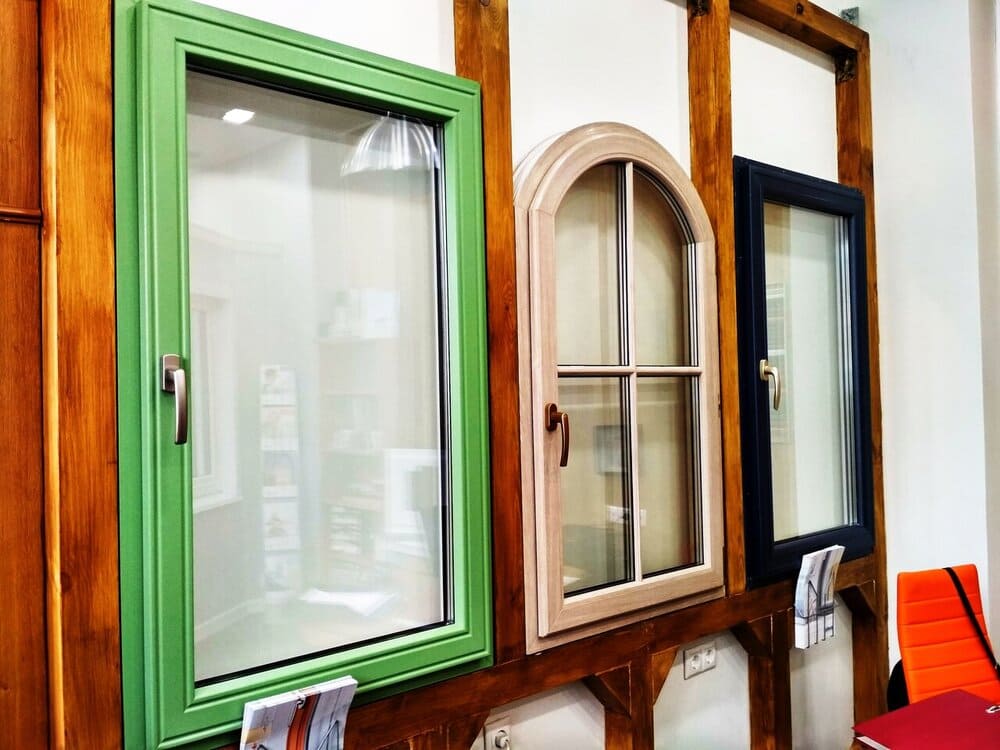
Coloured plastic windows: where palette comes to life
Coloured PVC (vinyl) windows have long ceased to be a rarity — today they adorn building facades and interiors, adding expressiveness and emphasising the individuality of a space. But how exactly are such windows made? Let’s look at the main technologies that allow us to move beyond the traditional white colour.
The most common method is lamination. A special decorative film is applied to the surface of the PVC profile. The film can imitate wood, stone, metal, or reproduce any solid colours. It protects the profile from UV rays and scratches, while the wide range of shades offers plenty of design possibilities.
Another method is colouring in mass. A pigment is added directly to the PVC compound during the extrusion of the profile. As a result, the colour becomes uniform and durable: even if the surface suffers minor damage, the shade remains unchanged. This technology ensures longevity and resistance to fading, though the choice of colours is usually more limited compared to lamination.
A third option is acrylic coating (surface painting). Paint is applied to the finished profile, creating a smooth and durable coloured surface. This method allows for rich, vibrant hues and also makes it possible to paint windows after installation. However, the coating requires careful handling and periodic maintenance.
Sometimes a combined approach is used: for instance, the exterior side of the window is laminated for weather resistance, while the interior side is painted to match the interior design.
The choice of technology depends on the specific needs: for facades, lamination or colouring in mass are often preferred due to their durability, while acrylic coating may be suitable for interiors. In any case, coloured PVC windows combine aesthetics with the proven functionality of plastic constructions.
uPVC Windows and Doors in Egypt. Any color of turn, tilt and turn, tilt sliding, sliding, parallel sliding system, arched non standard PVC windows. Mosquito nets, roller and lower shutter, jalousie in double glass or triple glazing by Super Spacer technology. Painted and bend uPVC profile, stained glass. Painting and bending PVC profile WINSA Carina, Vela. Maintenance and Repairing
Eco House Joint Stock Company partner of Deceuninck Group | Copyright 2009-2026. All rights reserved.
E-mail: [email protected], tel.: +201212288828
Site www.ecohouse-eg.com is for informational purposes only and under no circumstances is not a public offer. For more information on the cost of materials, products and services, please contact the sales offices
