
News
15/06/26
Coloured PVC windows: vibrancy of style in every detail
Not long ago, plastic windows were associated exclusively with white — a universal but sometimes boring colour. Today, coloured PVC windows open up endless design possibilities: they emphasise a home’s individuality, fit any architectural style, and enliven even the strictest exteriors.
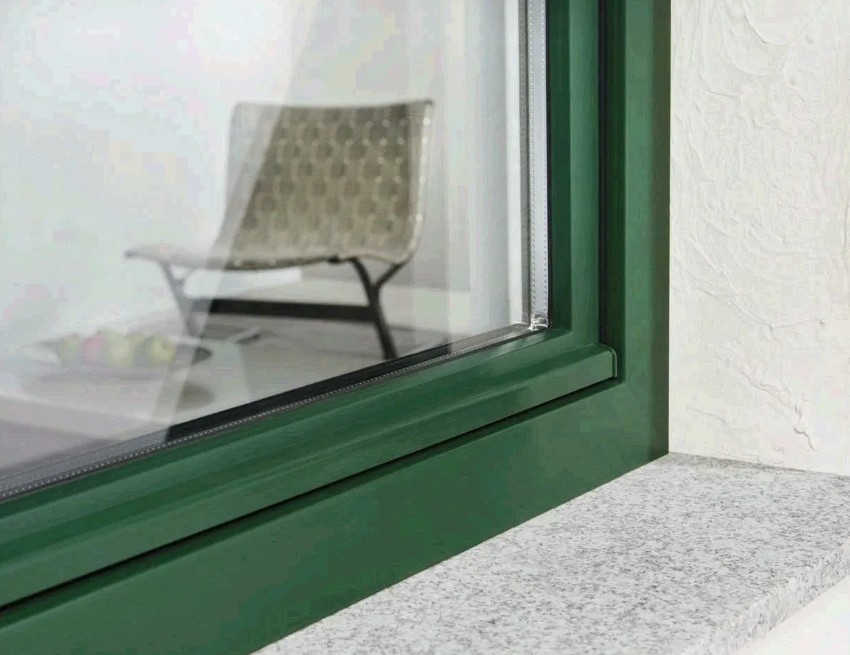
Coloured windows are especially popular for private houses and cottages, where it’s important to highlight the architectural features of the facade. Dark shades — anthracite, graphite, black — emphasise clean lines and create a striking contrast against light‑coloured walls. Warm tones — sandy, terracotta, olive — add coziness and harmonise with natural materials like wood, stone, and brick. Bold accents — blue, emerald, burgundy — turn a window into an art object and make the facade memorable.
Inside the space, the window colour also plays a role. A dark profile creates a ‘frame’ effect for the view outside, while light or pastel shades visually expand the space. In loft or minimalist interiors, windows with wood or metal imitation look stylish, while classic designs benefit from noble deep tones.
Manufacturers offer several colouring techniques:
lamination — applying a decorative film to the outer or inner side (enables imitation of wood, stone, or metal);
colouring in mass — pigment is added to PVC during production (high resistance to scratches and fading);
acrylic coating — durable and UV‑resistant.
The key when choosing a colour is to consider the overall look of the building and interior. It’s worth assessing samples under different lighting conditions: daylight can significantly alter how a shade is perceived.
Coloured PVC windows are not just a trend, but a practical way to express your taste. They combine the functionality of conventional plastic windows with aesthetics that make a home truly unique.
uPVC Windows and Doors in Egypt. Any color of turn, tilt and turn, tilt sliding, sliding, parallel sliding system, arched non standard PVC windows. Mosquito nets, roller and lower shutter, jalousie in double glass or triple glazing by Super Spacer technology. Painted and bend uPVC profile, stained glass. Painting and bending PVC profile WINSA Carina, Vela. Maintenance and Repairing
Eco House Joint Stock Company partner of Deceuninck Group | Copyright 2009-2026. All rights reserved.
E-mail: [email protected], tel.: +201212288828
Site www.ecohouse-eg.com is for informational purposes only and under no circumstances is not a public offer. For more information on the cost of materials, products and services, please contact the sales offices
