
News
12/06/26
Windows and flowers: harmony of PVC and living nature
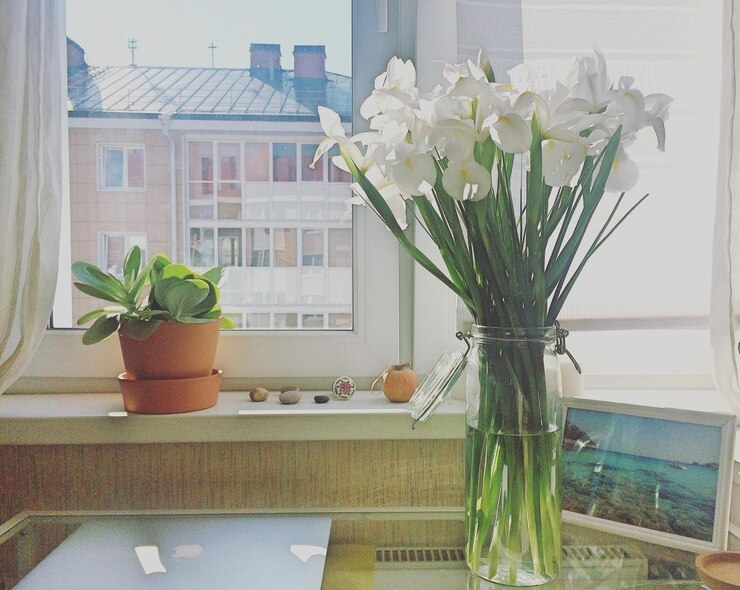
PVC windows have long become a familiar element of the modern home — reliable, functional, and diverse in design. But they can be transformed into a true decorative feature when harmoniously combined with live flowers. This combination not only beautifies the space but also creates a special atmosphere of coziness and connection with nature.
Light‑coloured PVC windows with a sleek profile perfectly complement plant greenery: they don’t distract attention from the flowers but serve as a stylish backdrop. White frames highlight the vibrancy of petals and the richness of leaves, while windows in wood‑like shades create a warm, natural composition.
There are various ways to arrange flowers — it all depends on the size of the windowsill and the lighting. Wide windowsills are great for large plants in substantial pots, such as ficus trees, palms, or monstera. Narrow windowsills work well for smaller arrangements of succulents, violets, or blooming begonias. Hanging planters near the window add volume and dynamism, while vertical phytomodules along the wall emphasise the glazing line.
It’s important to consider the microclimate. PVC windows provide good thermal insulation, helping to maintain a stable temperature suitable for most houseplants. However, avoid placing moisture‑loving plants too close to the sashes: condensation may harm the roots. Also, make sure large leaves don’t interfere with opening the window or ventilation.
The combination of PVC windows and live plants also works outdoors: flower boxes under the windows or vertical flowerbeds next to glazed terraces make the facade more festive and soften the strict lines of the structures.
This way, simple windows turn into a living picture that changes with every season, and the home fills with freshness, light, and the breath of nature.
uPVC Windows and Doors in Egypt. Any color of turn, tilt and turn, tilt sliding, sliding, parallel sliding system, arched non standard PVC windows. Mosquito nets, roller and lower shutter, jalousie in double glass or triple glazing by Super Spacer technology. Painted and bend uPVC profile, stained glass. Painting and bending PVC profile WINSA Carina, Vela. Maintenance and Repairing
Eco House Joint Stock Company partner of Deceuninck Group | Copyright 2009-2026. All rights reserved.
E-mail: [email protected], tel.: +201212288828
Site www.ecohouse-eg.com is for informational purposes only and under no circumstances is not a public offer. For more information on the cost of materials, products and services, please contact the sales offices
