
News
12/01/26
Textile Decor for PVC Doors: Options and Considerations
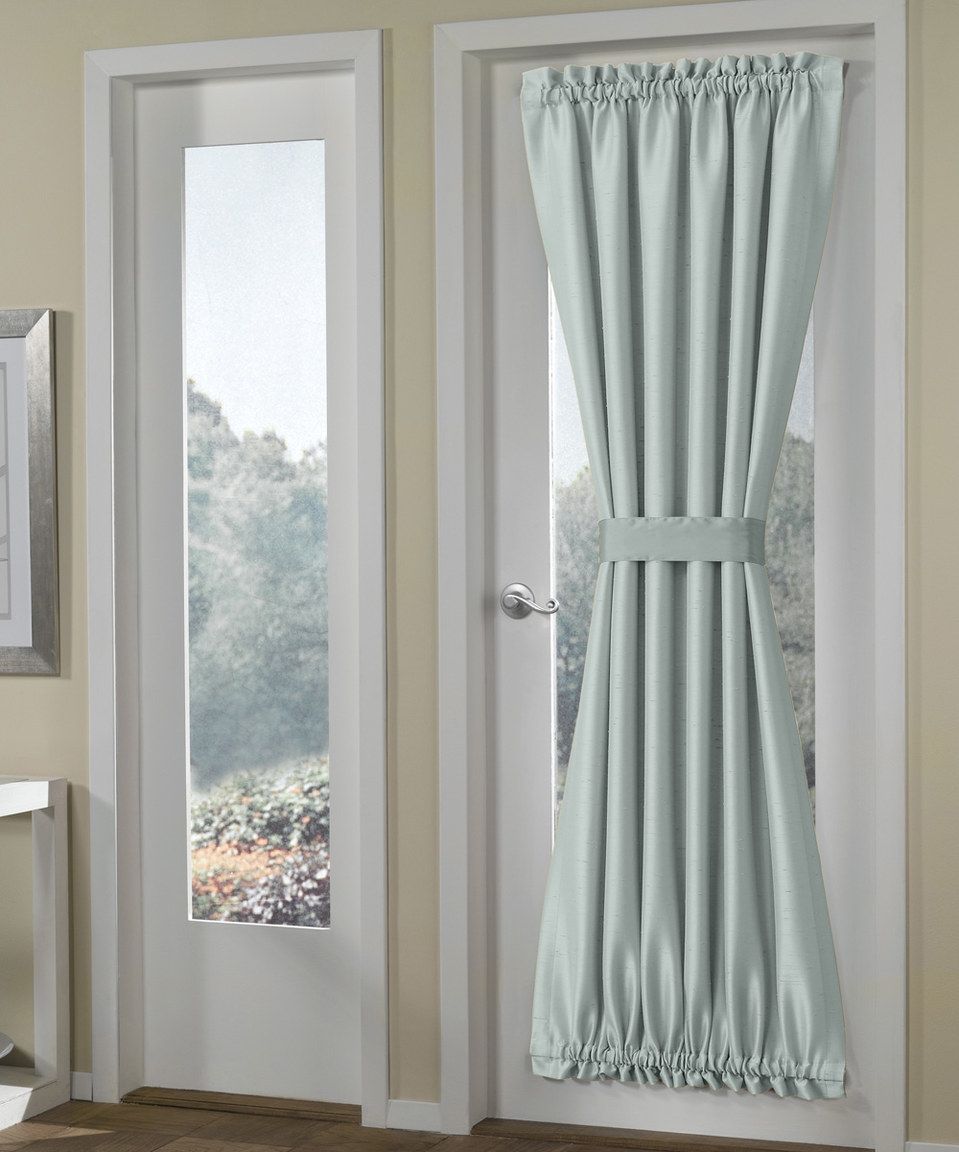
Textile decor is an unconventional yet expressive way to enhance a PVC door and integrate it into the interior. This does not mean fully upholstering the door leaf, but rather using complementary elements: curtains, lambrequins, tiebacks, or decorative fabric panels that are mounted next to the door or on adjacent surfaces.
Where It’s Used
• Interior doors in living areas (living room, bedroom, children’s room): textiles soften the strict look of plastic and add warmth.
• Wardrobe and storage room doors: fabric curtains can replace the door panel or serve as a visual accent.
• Entrances to niches and alcoves: light drapery creates the effect of a “hidden” space.
• Sliding and folding systems: fabric can be part of the mechanism (e.g., fabric panels on tracks).
Suitable Fabrics
• Heavy drapery fabrics (velvet, velour, jacquard): provide volume and sound insulation.
• Lightweight voiles and organza: add airiness and let light through.
• Linen and cotton fabrics: eco friendly, suitable for eco style and Provence interiors.
• Synthetic blended fabrics: wear resistant and easy to clean.
Mounting Methods
• Curtain rods and tracks above the opening: for hanging curtains.
• Magnets and Velcro: for removable decorative panels.
• Tieback hardware: secures drapery at the sides.
• Combined systems (fabric + translucent plastic): for sliding doors.
Key Considerations
• Maintenance: textiles require regular cleaning (vacuuming, washing as per instructions).
• Moisture absorption: in bathrooms and kitchens, choose moisture resistant fabrics or combine with PVC.
• Fire safety: avoid flammable materials near heat sources.
• Clearances: ensure fabric does not obstruct door operation during installation.
Summary: textile decor allows you to personalize PVC doors, but it’s best used as an accent rather than the main covering. The key is to balance aesthetics with practicality and consider the operating conditions.
uPVC Windows and Doors in Egypt. Any color of turn, tilt and turn, tilt sliding, sliding, parallel sliding system, arched non standard PVC windows. Mosquito nets, roller and lower shutter, jalousie in double glass or triple glazing by Super Spacer technology. Painted and bend uPVC profile, stained glass. Painting and bending PVC profile WINSA Carina, Vela. Maintenance and Repairing
Eco House Joint Stock Company partner of Deceuninck Group | Copyright 2009-2026. All rights reserved.
E-mail: info@ecohouse-eg.com, tel.: +201212288828
Site www.ecohouse-eg.com is for informational purposes only and under no circumstances is not a public offer. For more information on the cost of materials, products and services, please contact the sales offices
